Shallows
A tide pool you can play.
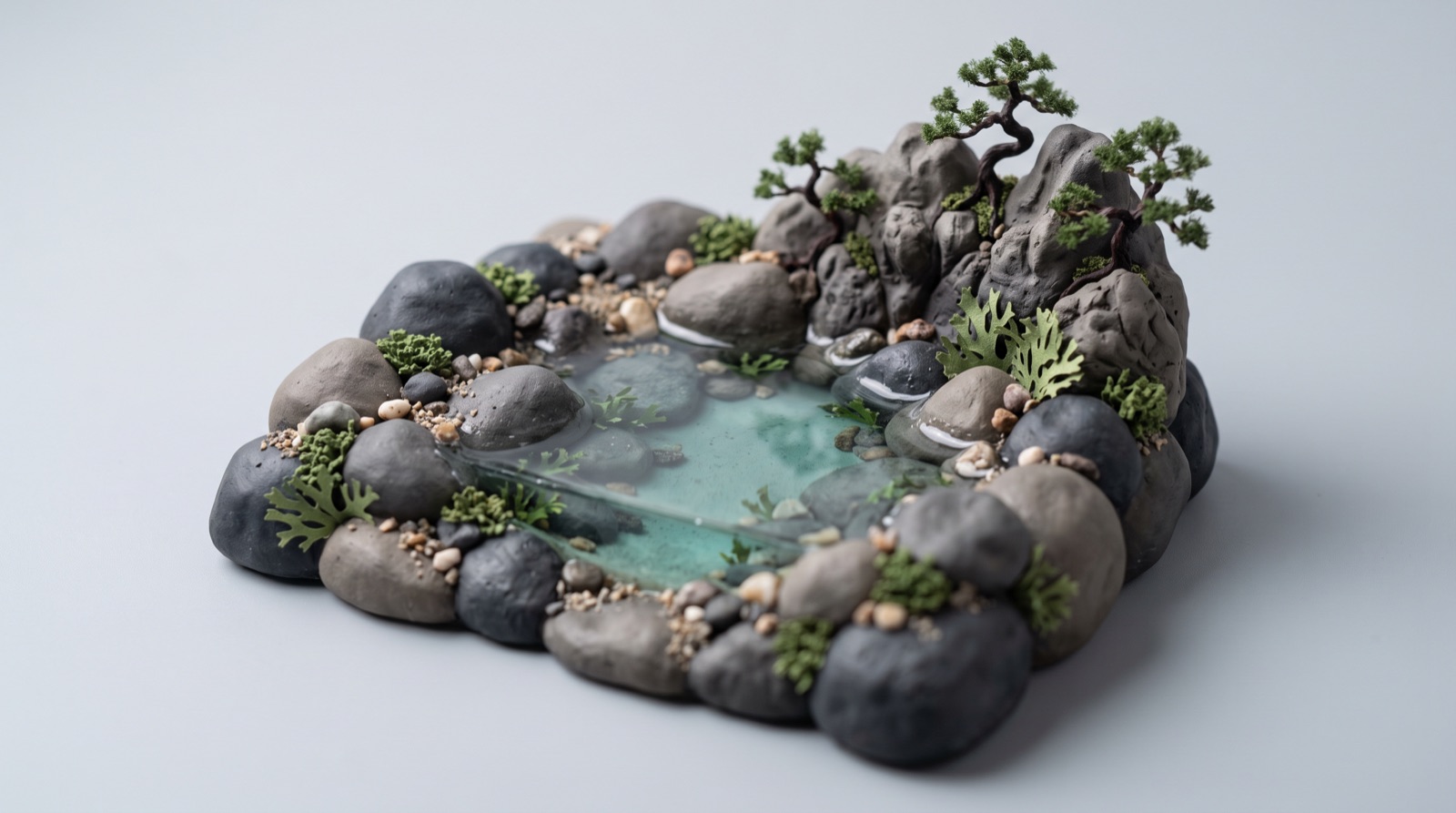
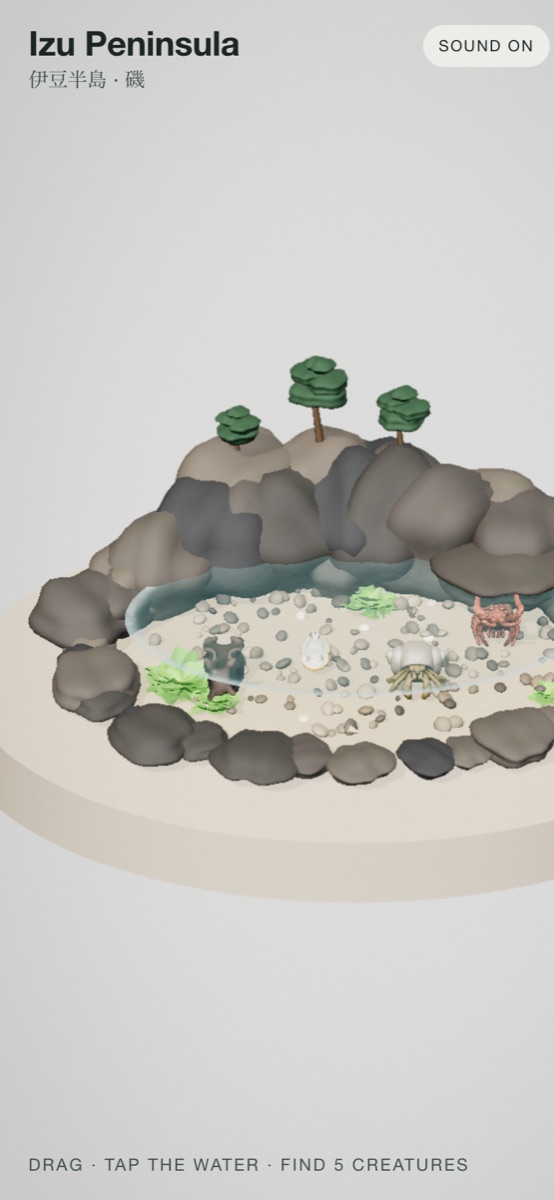
浅瀬, the shallows. A clay diorama of a rock pool on Japan’s Izu Peninsula with five real species living in it. They wander, hide, graze and bump into each other. Drag to look around, tap the water, and find all five for the field guide.
Art direction · Interaction design · 3D · Real-time simulation · Sound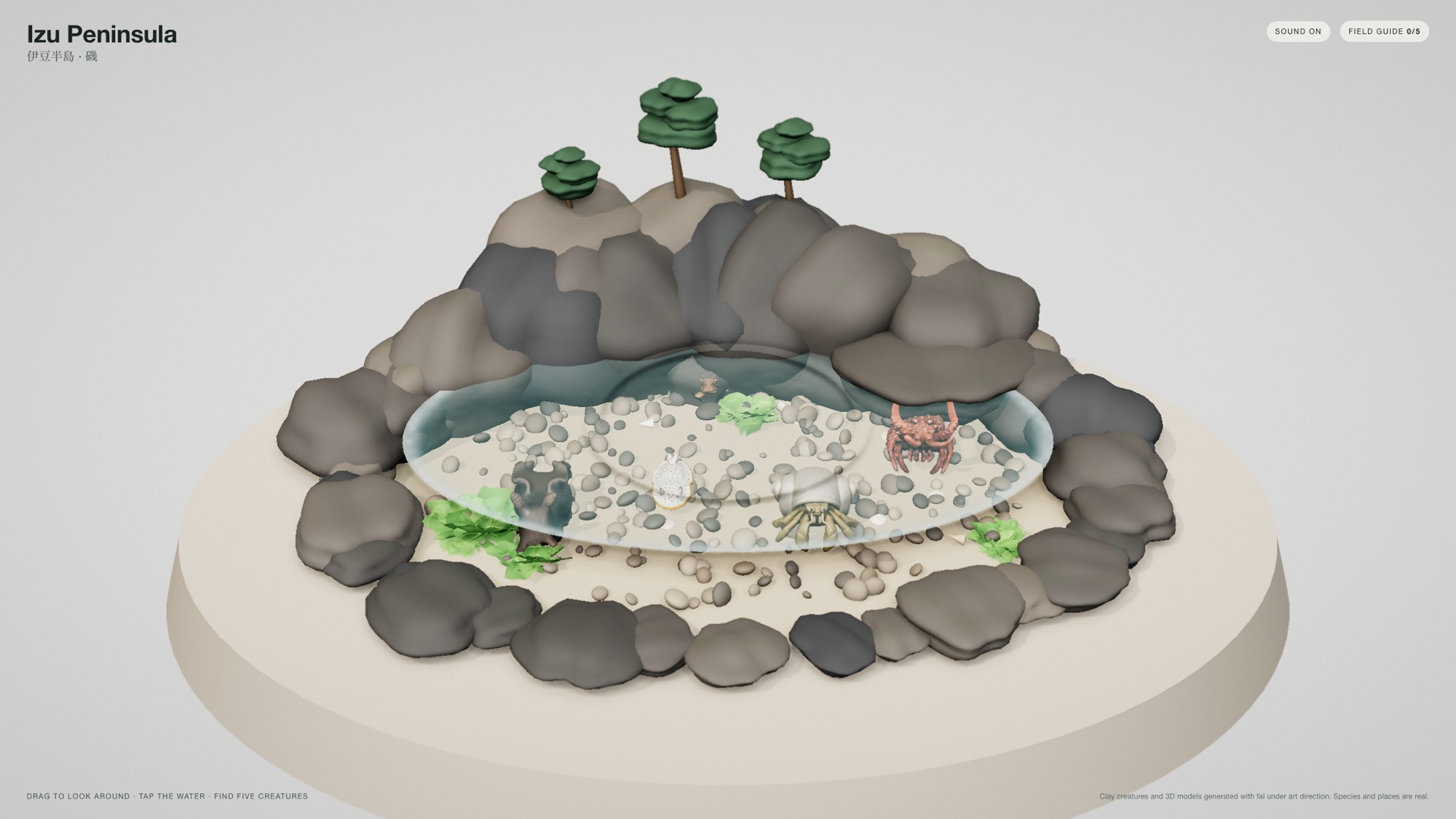
An ecosystem
you understand
in one tap.
Why a toy, not a documentary.
The subject
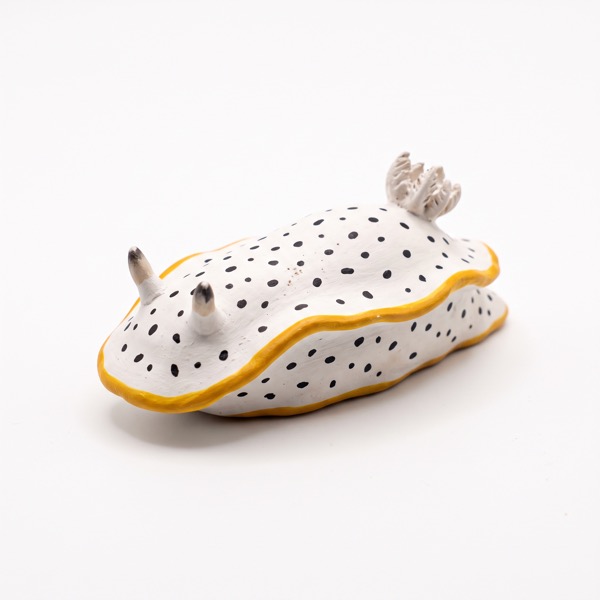
Japan’s shallow coast is full of life most people walk past: hermit crabs, sea slugs, blennies, sea hares, spiny lobsters. The real thing is busy and hard to read.
The insight
Kids learn a rock pool by poking it. A creature that hides when you touch the water teaches more than a paragraph about it.
The idea
A tide pool you can play. Make it small enough to hold, simple enough to read at a glance, and alive enough that every creature does the one thing it’s known for.
Clay, not photoreal.
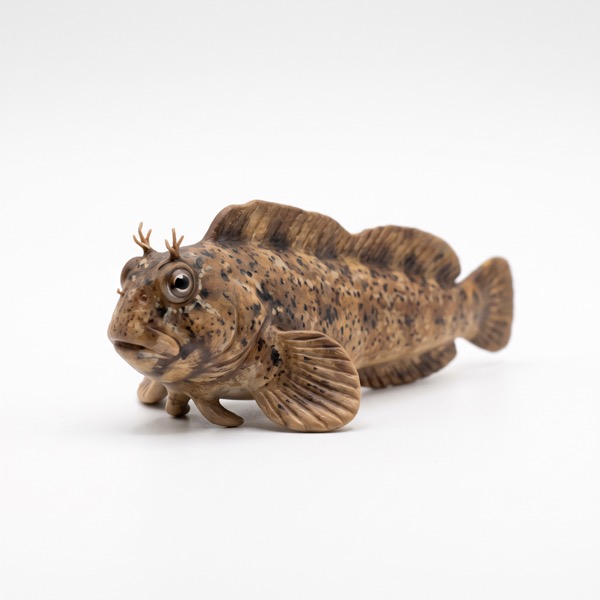
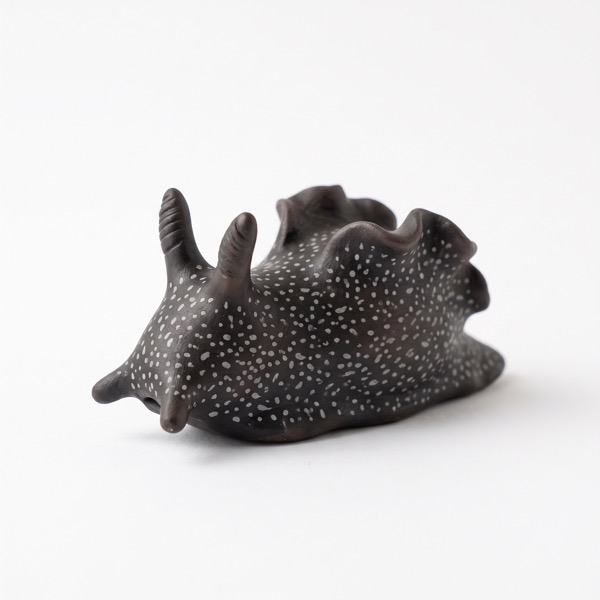
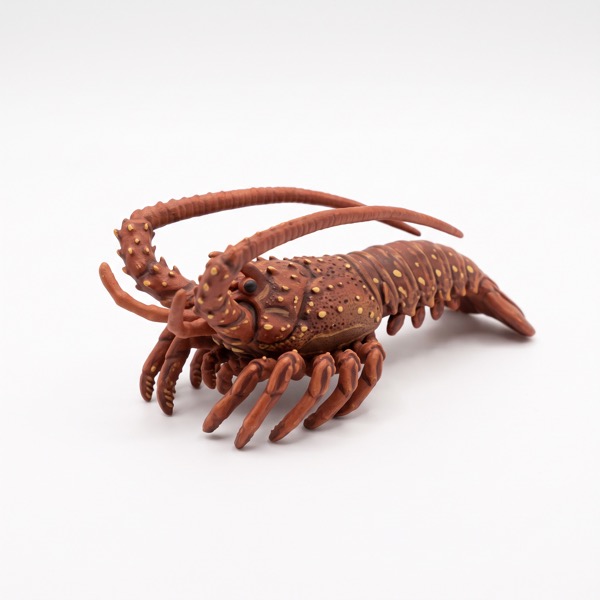
A soft toy look reads instantly on a phone and invites touch. Real species, real names, real behavior, in a friendly material.
One behavior each.
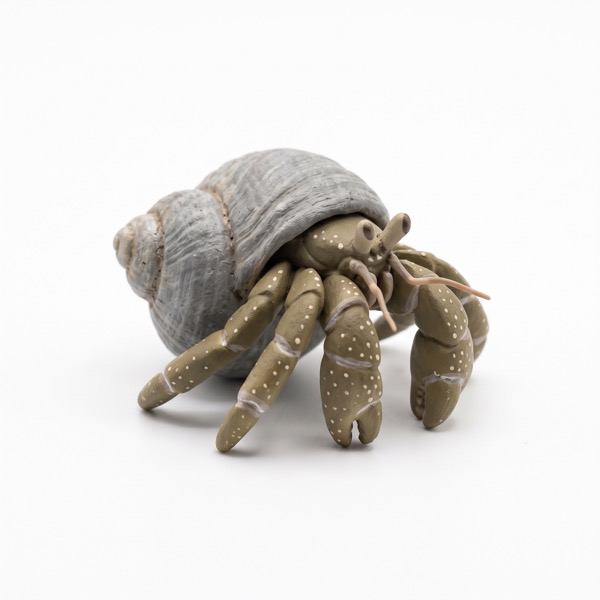
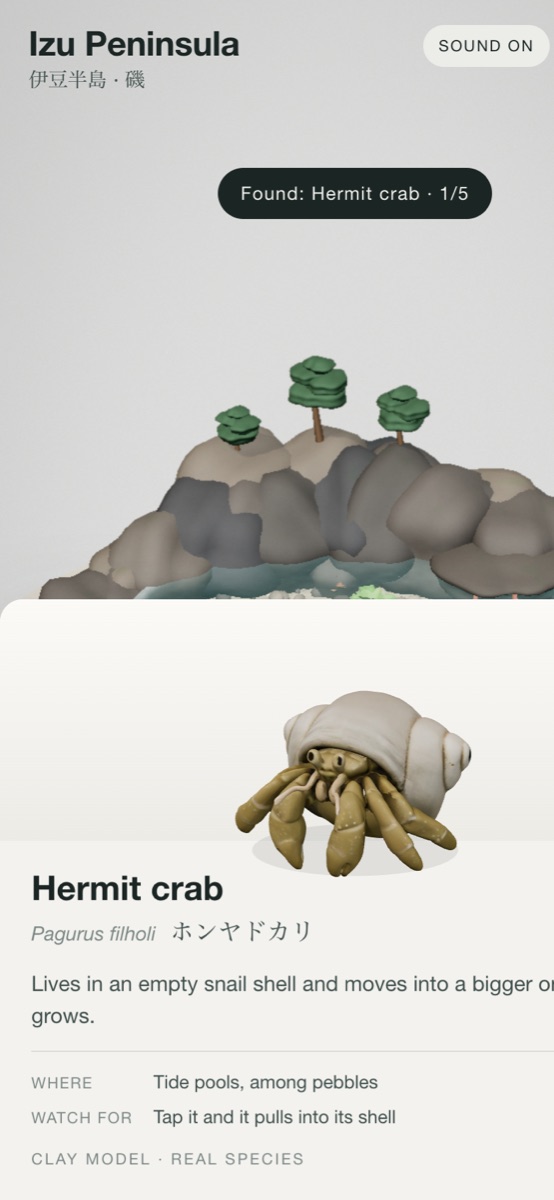
The hermit crab pulls into its shell. The sea hare inks. The blenny peeks from the rock. The lobster leaves its den and flicks back. One idea per creature.
A reason to look closer.
Five creatures, five slots in a field guide. Finding them all is the only goal, and it’s enough.
Clay models.
Real animals.
Each creature began as a generated clay-toy image, was turned into a 3D model, then compressed and rigged with a small shader so it walks, creeps or swims. Names are given in English, Latin and Japanese.
Three versions
to find the right one.
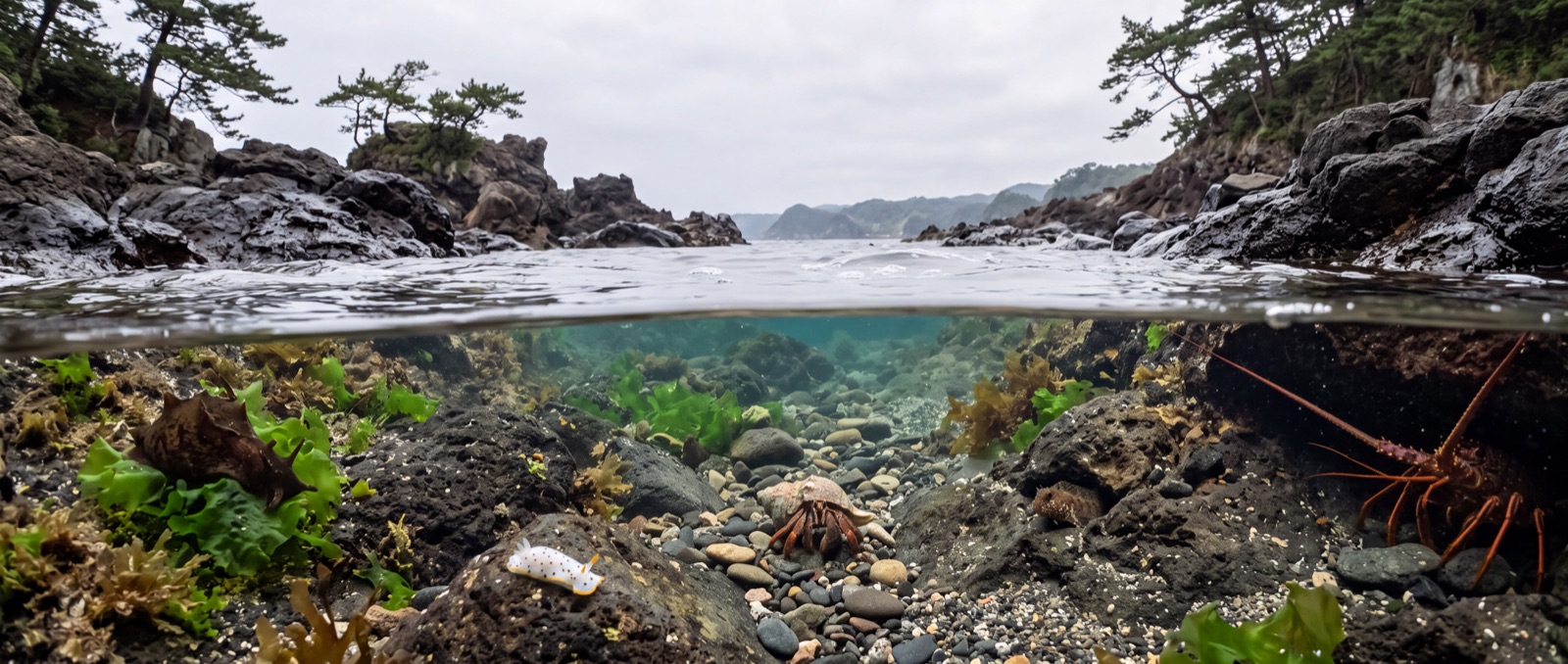
The first version was a photographic panorama of a pool with cards on top. Beautiful, but still. The second added a depth map so the photo moved with the pointer. Better, but nothing in it was alive.
The third threw out the photo and built the pool as a small world: clay rocks, sea lettuce, pebbles and water, with creatures that steer, avoid rocks and each other, and react to touch. That’s the one that felt like the shallows.
Built for
a thumb.
Most people will meet this on a phone, so the phone version came first and was tested on a real device.
Creatures have invisible touch targets 1.6× their size on small screens, and a tap picks the nearest one on screen. A ring pulses where you tapped, and the camera eases in to the creature.
Every card has the same layout: a live, slowly turning 3D model, the name in three languages, one fact, where to find it, and what to watch for.
Reduced-motion settings stop only the camera’s slow orbit. The creatures and water keep moving, because a still tide pool isn’t a tide pool.
Small world,
real rules.
Each creature is a steering agent: it wanders toward goals, keeps its distance from rocks and the other animals, follows the ground, and reacts when it bumps into something. Automated test runs checked the behavior, and the numbers below come from a 40-second run at phone size.
Izu Peninsula pool
Five species, field guide, sound, phone and desktop.
More shores
Kerama Islands, the Seto Inland Sea and Shirahama, each with its own five species.
Aquarium and museum kiosks
A touchscreen version with a printed field-guide stamp card.
A generated world
The same pool explored at full scale with a world-simulation model, once those can run in a browser.
A complicated place, made simple enough to play with in ten seconds.
Project scope & production notes
What this covers
Concept and art direction
Interaction and card design
3D scene, lighting and water
Creature behavior and testing
Sound and phone layout
How it was made
A personal concept, not commissioned. The clay creature images were generated with fal.ai (nano-banana 2.1) and turned into 3D models with Hunyuan3D and TRELLIS; the ambience is stable-audio 2.5. The scene, shaders and behavior are built in three.js, with the code written alongside an AI coding assistant under my direction. Species, names and facts are real.
Concept, art direction, field-guide design, type, colour and motion direction: Isaac Hernandez. Code written by an AI coding agent (Claude Code) under his direction. Clay creatures and ambient sound generated with AI models under his direction.
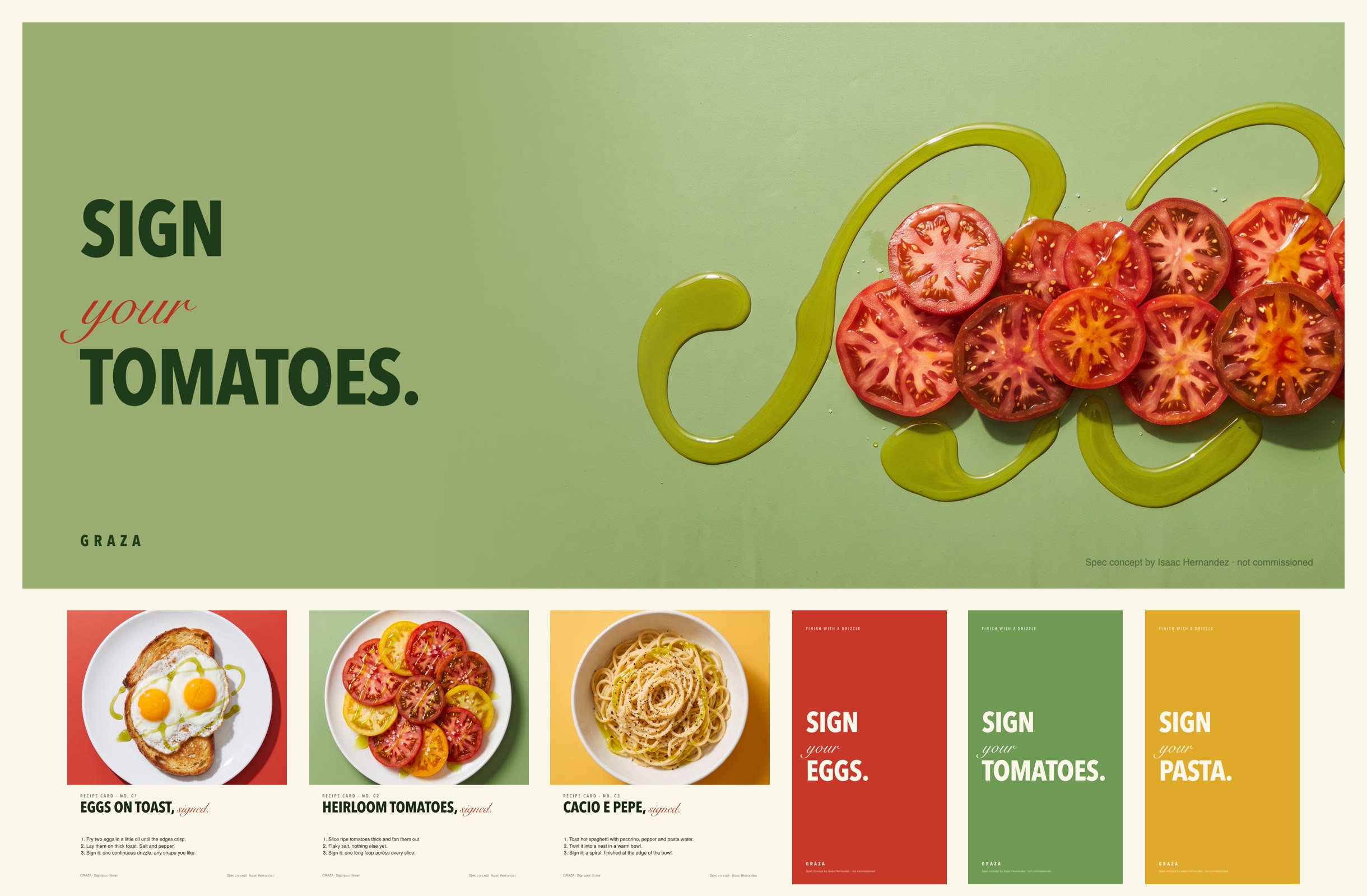
Graza
Sign your dinner.