Archivo LA
Everyday Los Angeles, catalogued like a museum.
Four ordinary objects from the city, a clay roof tile, a concha, a bus token and a Lotería card, treated with the care a museum gives an artifact. Each gets a slow turntable rotation, a macro pass across its surface, and a short history in English and Spanish.
Concept · Art direction · Motion · Copy (EN/ES) · EditTurn it.
Then look closer.
Every piece uses the same two camera moves: a slow rotation on white so you see the whole object, then a cut to an extreme macro drifting across one surface. The caption sits in the empty space above the object and fades out for the detail shot, so the texture gets the frame to itself.
Five steps,
one failed take.
The series is built in a fixed pipeline so every object comes out consistent. It is AI-generated from start to finish, then directed, checked and edited by hand. Here is every step, including the take that didn’t work.
Choose the object
Objects that are ordinary in LA but would look like treasures in a vitrine: things people pass, eat, carry and play with. Each needed a strong silhouette for the rotation and a rich surface for the macro shot.
The catalogue still
One still per object on seamless white, with soft even light and a faint contact shadow, written like a museum photography brief. The object sits low in a 9:16 frame to leave room for the caption above.
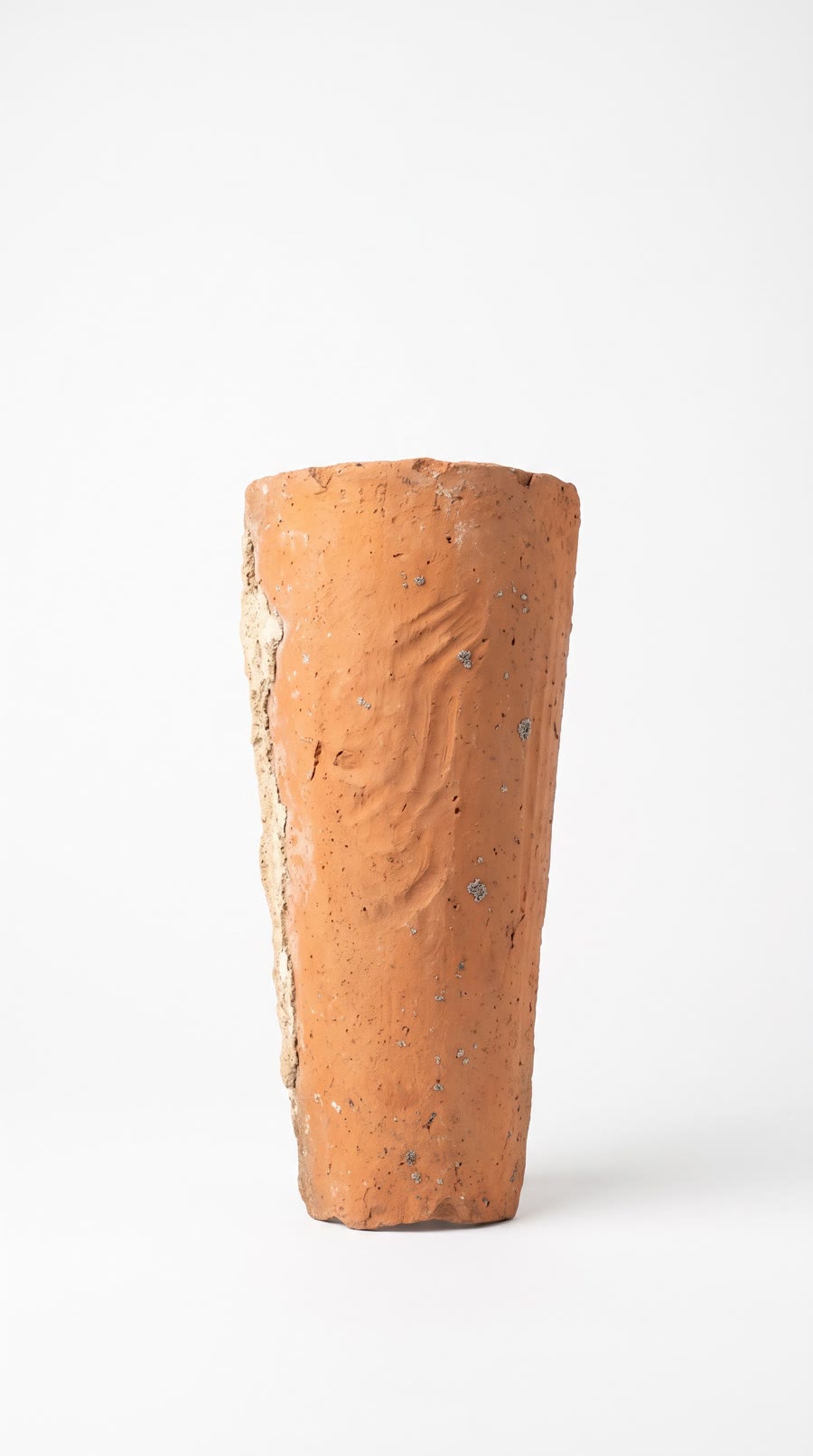
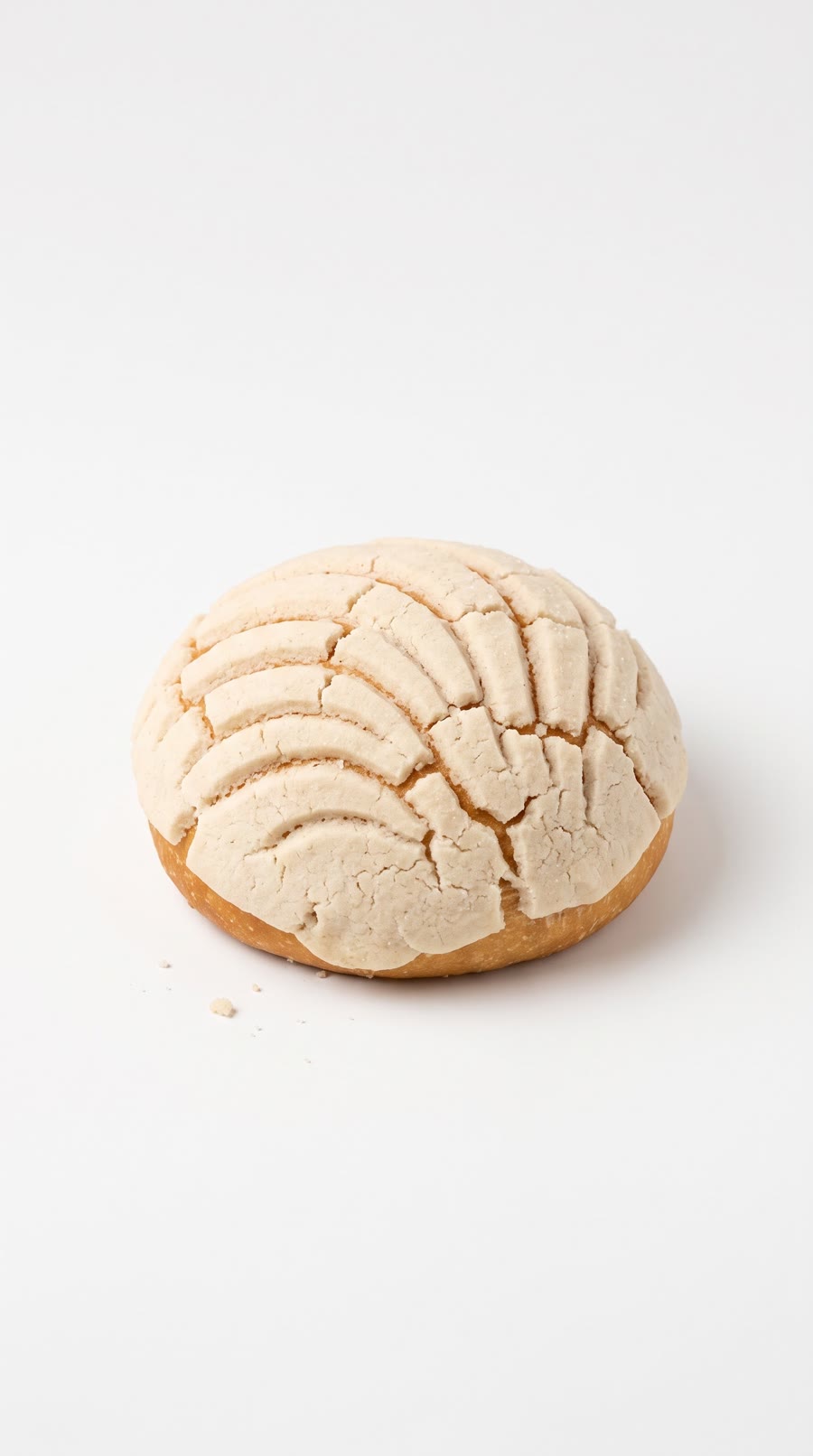
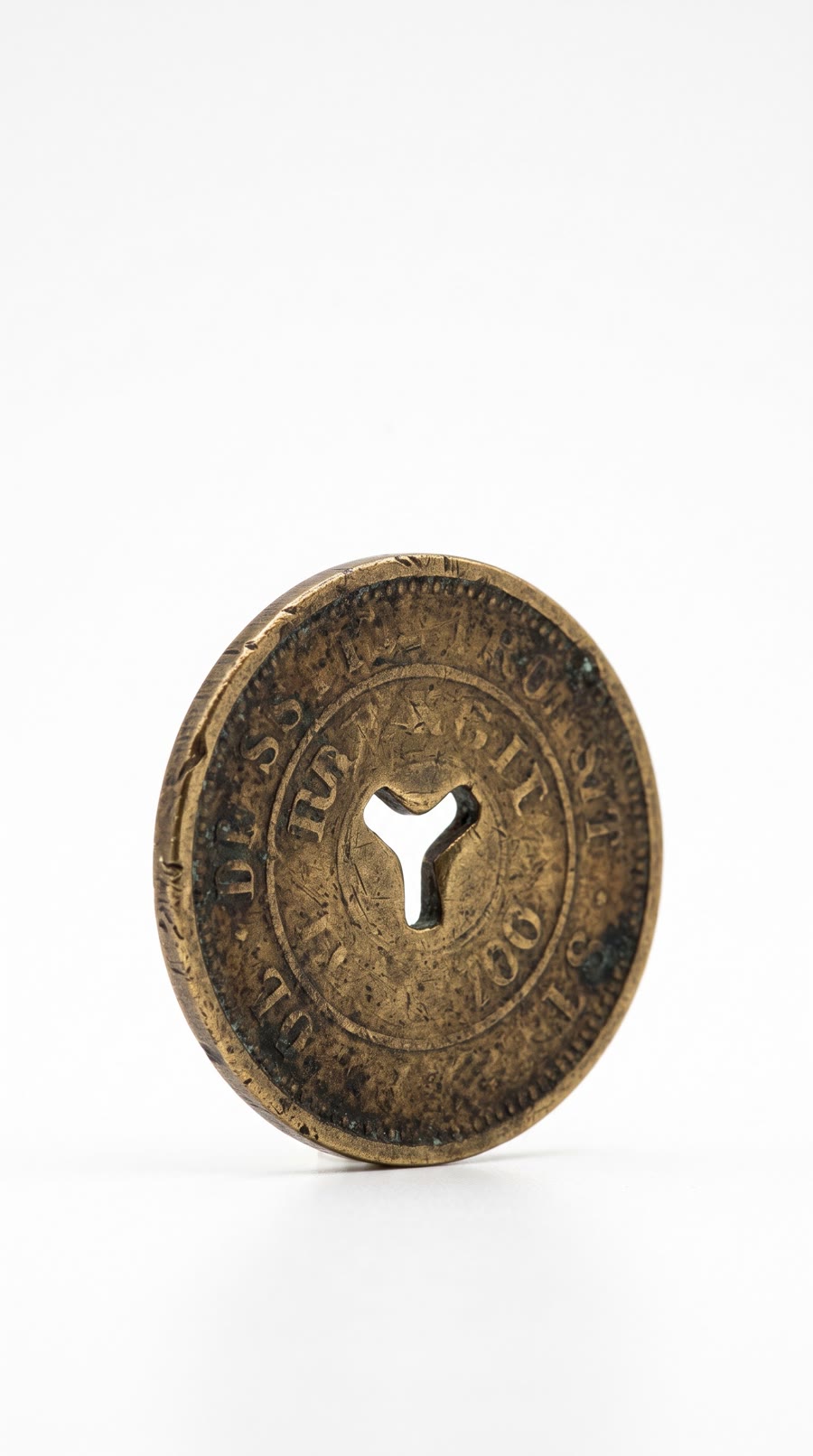
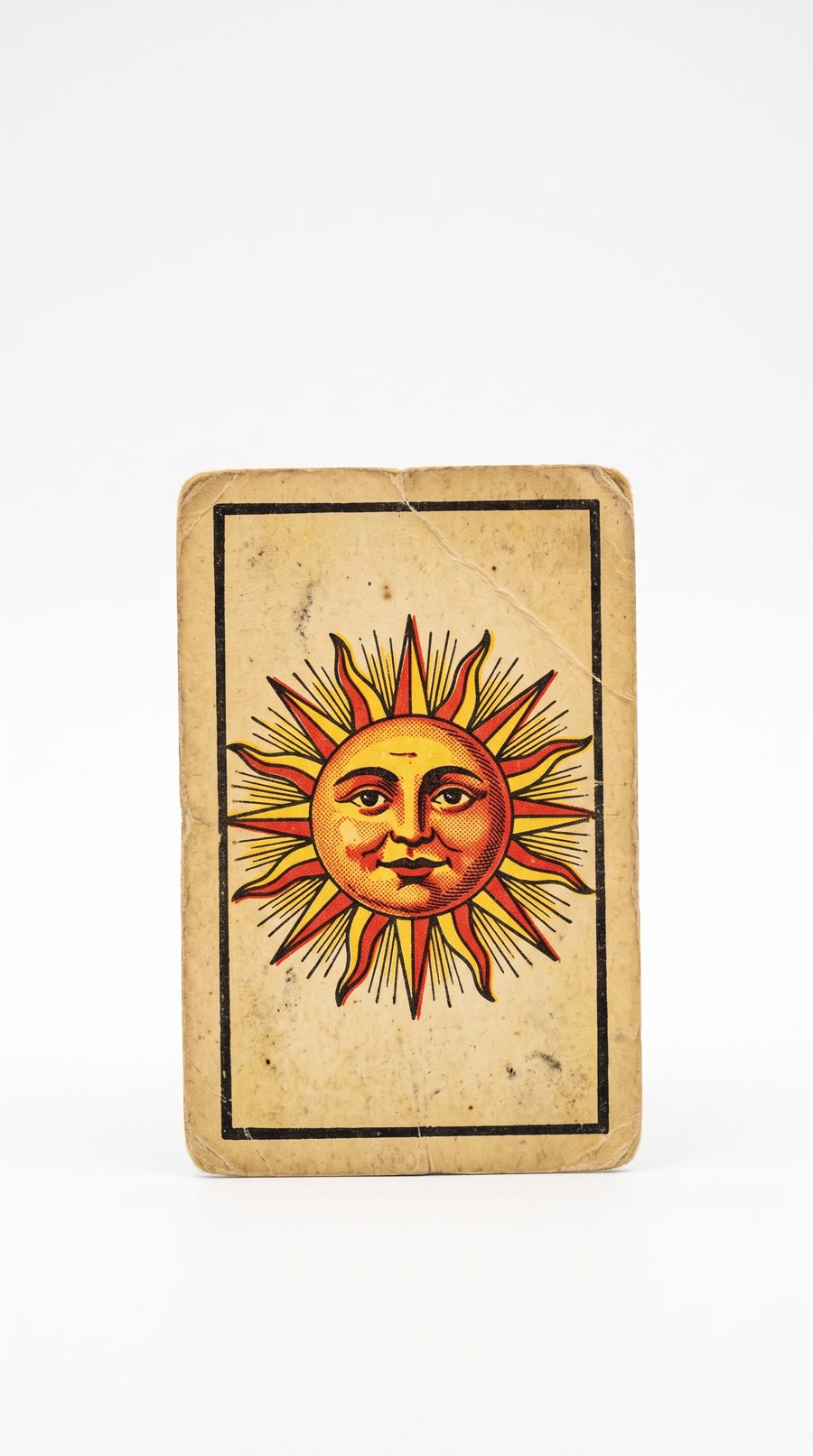
Nano Banana 2.1 on fal · 9:16 · 2K
The rotation
Each still becomes the first frame of an image-to-video clip: a locked-off camera and a slow turn on an invisible turntable. The prompt insists the object stays rigid and unchanged, because video models love to “improve” things.
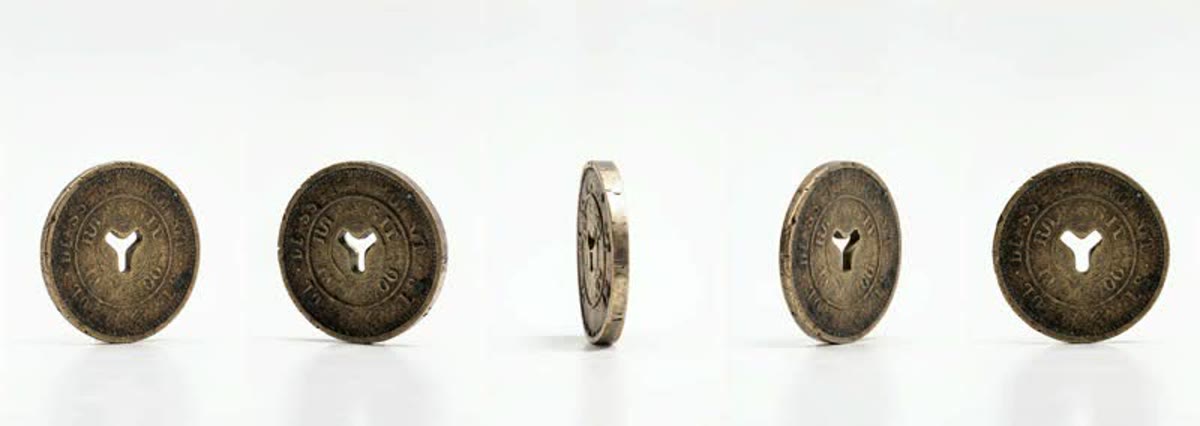
The token turns edge-on and back. LTX 2.5 Pro on fal · 8 s · 1080p
The take that failed
The first roof tile melted halfway through its turn into a clay bowl. The model filled in an inside it couldn’t see. I rejected it and re-ran the shot on a different model, describing the tile as a rigid half-cylinder and asking for a smaller turn. The second take holds its shape.
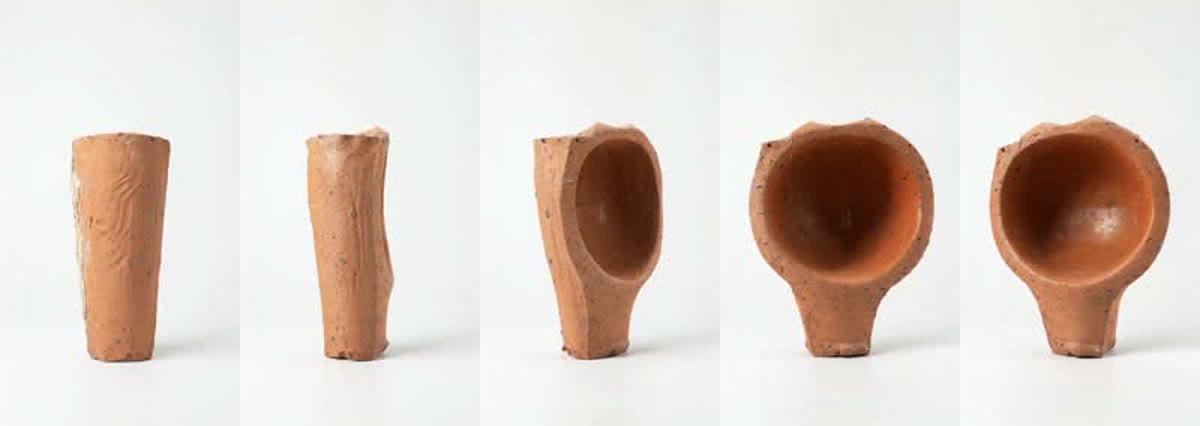
Rejected: LTX 2.5 Pro. The tile becomes a bowl.
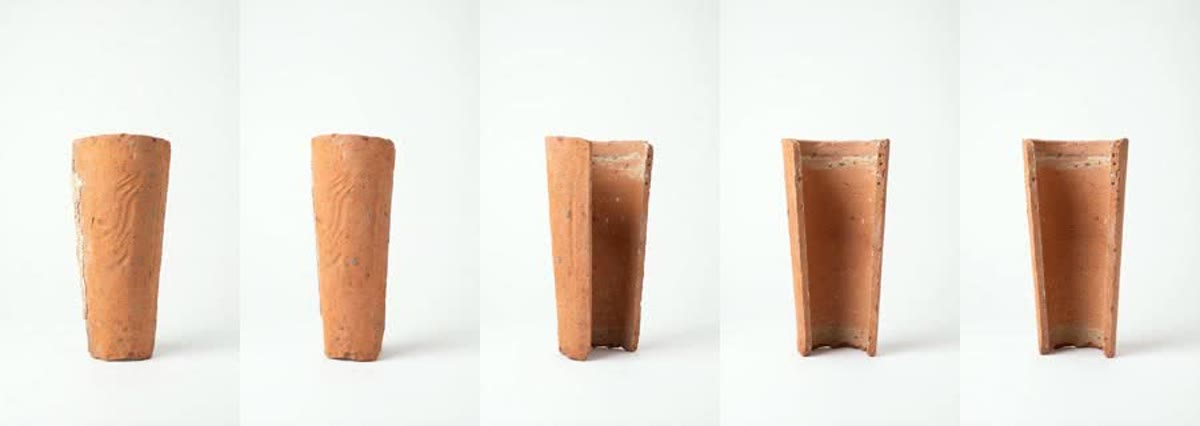
Approved: Wan 3.0 Prime. Rigid tile, hollow side revealed.
The macro pass
A second image is generated from the first as an extreme close-up of the same object at 4K: clay grain and lime mortar, sugar crust, brass patina, halftone ink. It isn’t animated by a model. A slow drift and zoom are added in the edit, which keeps the texture sharp and stable.
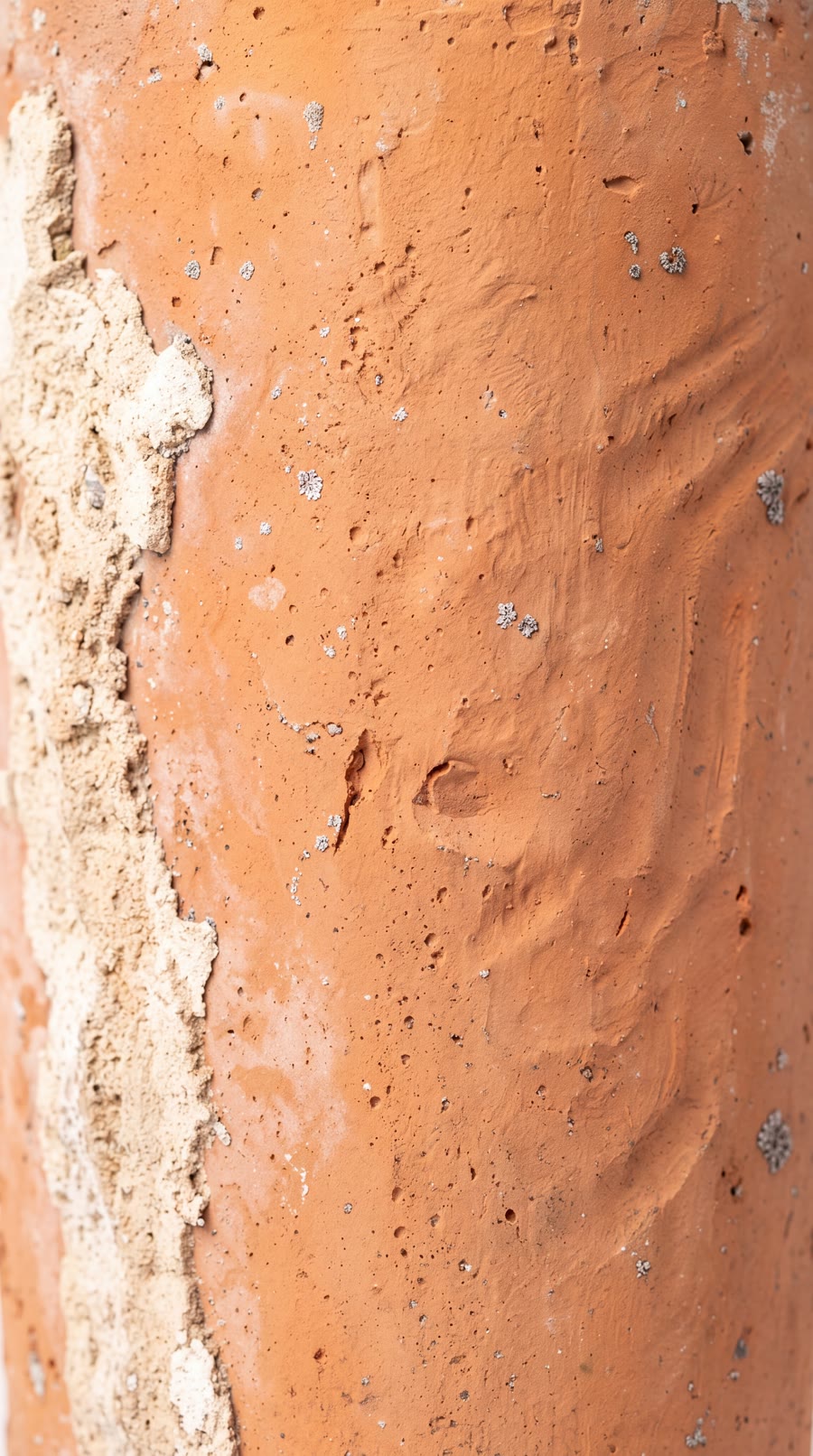
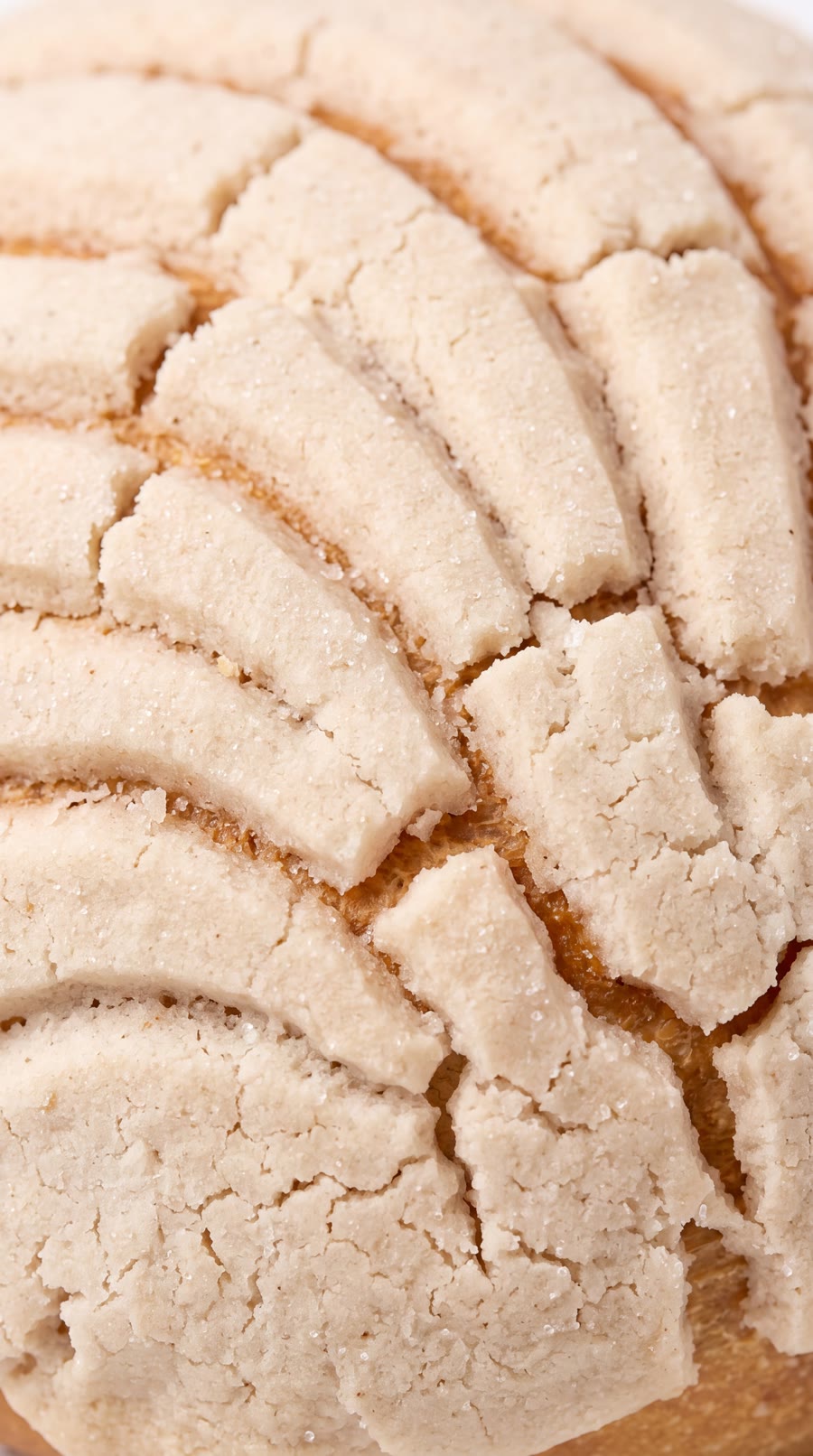
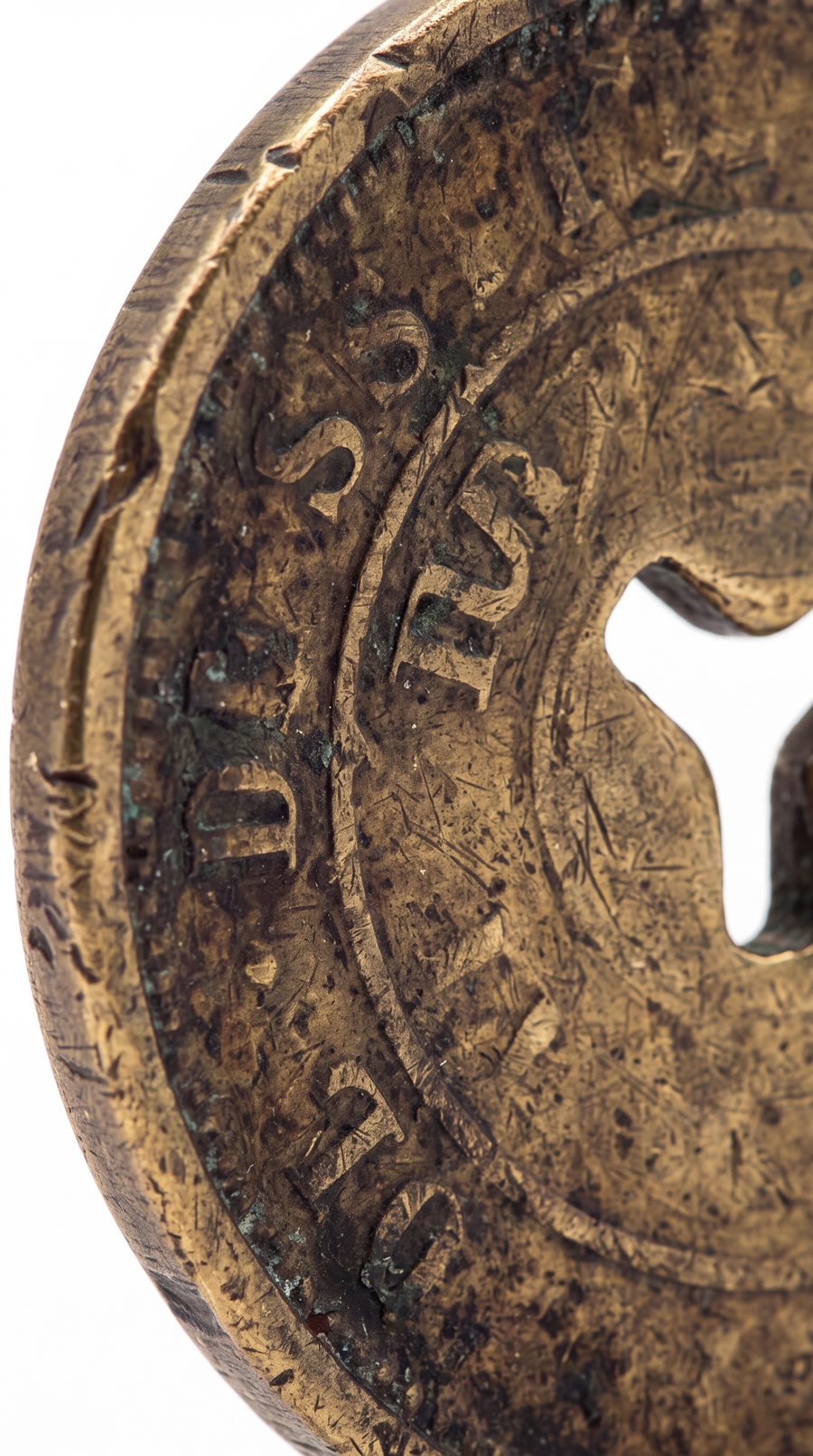
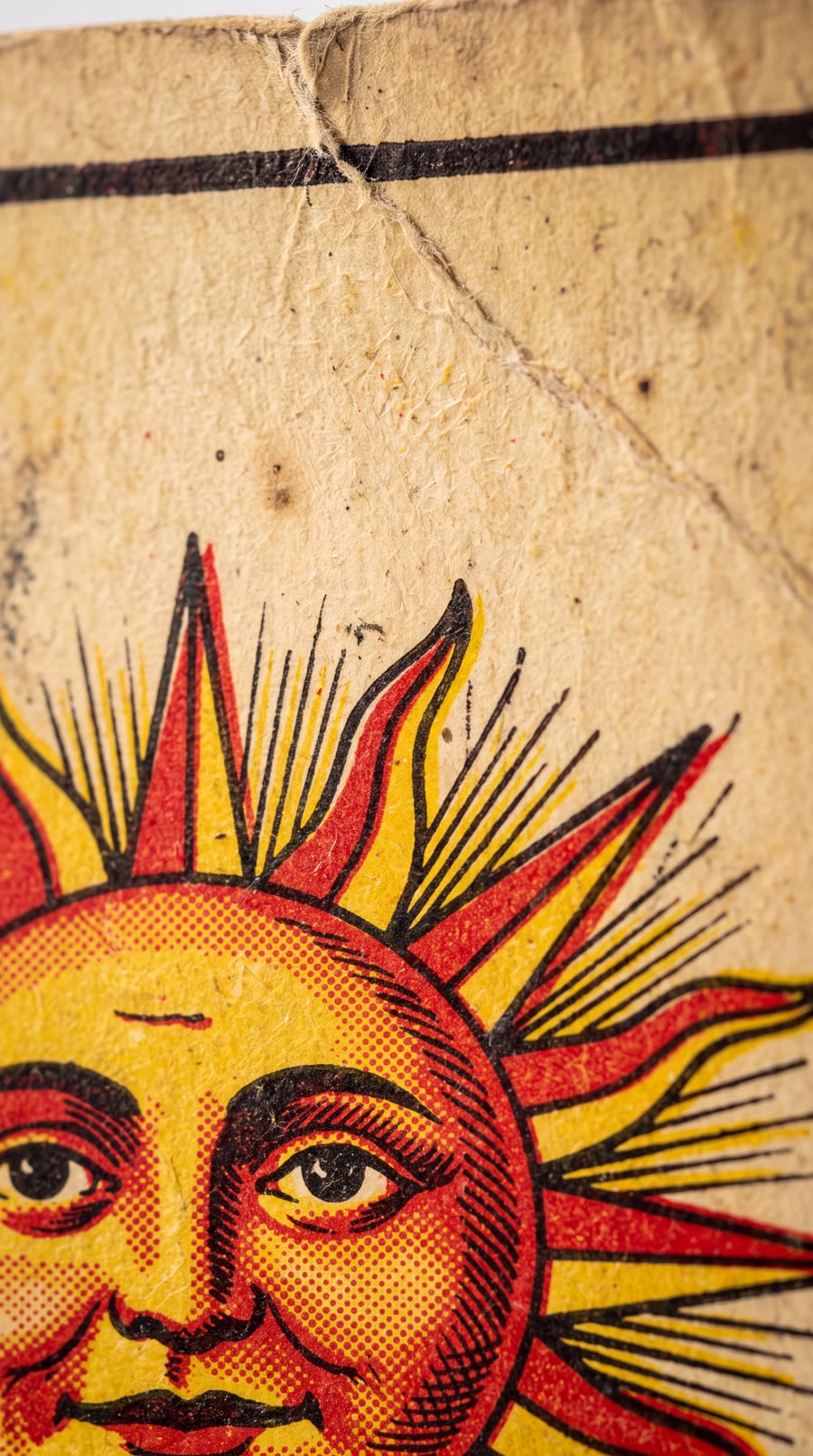
Nano Banana 2.1 edit, referenced from the still · 4K
Type, captions and edit
The type is set in HTML and composited in ffmpeg: catalogue number top left, the Spanish name running vertically top right, a caption in English and Spanish, and the wordmark at the foot. Rotation, crossfade, macro drift and caption fade are cut to the same timings for every piece, so the series reads as one archive.
A city’s identity lives in its ordinary things. Catalogue them with care and a concha looks as considered as a museum artifact.
Project scope & production notes
What this covers
Concept and object selection
Art direction and image prompts
Motion edit and type
Captions in English and Spanish
What it is not
A self-initiated series, inspired by digital object archives. These are not real artifacts or scans. Every object is AI-generated (fal.ai: Nano Banana 2.1, LTX 2.5 Pro, Wan 3.0 Prime) under my direction, then checked, rejected or kept, and edited by hand. Captions describe each type of object in general, not a specific historical item.
Concept, art direction, copy, type and edit: Isaac Hernandez.
CASA
A fictional LA design house in five films.